
Solving Recurring Invoice Challenges: How Invoiso Optimizes and Automates Your Billing Process
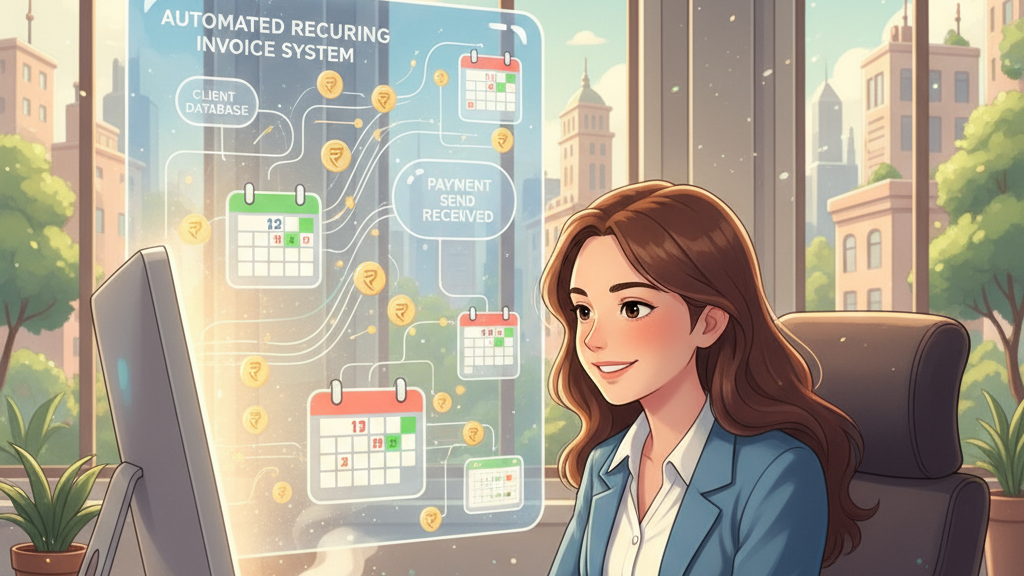
Recurring invoice preparation creates major challenges for many companies. The problem grows even bigger when teams use manual or semi-automated tools. However, by automating the billing process with software like Invoiso, businesses can fix these issues. As a result, they gain more efficiency, better accuracy, and stronger performance.
Key Challenges in Recurring Invoice Preparation
- Manual recurring invoicing demands a lot of time and resources. Teams often repeat the same tasks, such as duplicating old invoices, updating billing details, and scheduling follow-ups for payment collection.
- Frequent errors also occur. Incorrect dates, wrong prices, missed invoices, or duplicate charges reduce customer trust and increase reconciliation work.
- Managing multiple customers adds even more complexity. Different billing cycles, contract terms, and payment amounts can lead to delays, missed invoices, and irregular cash flow.
- Data entry mistakes, missing or inconsistent invoice details, and generic invoice templates can result in slow payments, dispute escalation, and prolonged cash recovery cycles.
- Reliance on reminders, emails, or outdated spreadsheets for tracking overdue payments or retrying failed transactions means more manual work and higher likelihood of missed revenue.
- Adapting to business changes (such as subscription upgrades, downgrades, proration, and one-time adjustments) manually can introduce mistakes and delay billing operations.
- Compliance risks and difficulty in tracing tax or GST breakups for different clients or jurisdictions further complicate manual processes.
How Invoiso Optimizes and Automates Recurring Billing
- Invoiso automates the entire workflow: invoices are scheduled, generated, customized, and sent to clients automatically, reducing manual steps and removing the risk of missed or late invoicing.
- Built-in validation and error detection minimize human mistakes, ensuring the correct details, amounts, dates, and customer information every cycle.
- Advanced customer management tools allow businesses to handle varied billing Software cycles, flexible payment schedules, and custom contracts with minimal fuss.
- Automated reminders and dunning email sequences reduce overdue payments and ensure customers are promptly reminded to make payments, minimizing cash flow disruption.
- Invoiso supports template personalization, enabling branding, tailored line items or terms, and GST-compliant formatting for the Indian market, which reduces the likelihood of client confusion or disputes.
- Real-time dashboards and reporting features allow businesses to monitor which recurring invoices are paid, pending, or failed at a glance, leading to improved financial forecasting.
- Invoiso connects smoothly with accounting and ERP software. As a result, it updates billing records instantly and handles reconciliation in real time. This integration also removes double data entry and reduces workload, which makes the billing process faster and easier.
Benefits of Moving to Invoiso for Recurring Invoices
- Saves operational time and reduces administrative costs dramatically.
- Boosts accuracy, consistency, and professionalism—raising client satisfaction and trust.
- Enables reliable, predictable cash flow and fiscal management for growth and stability.
- Directly supports compliance and tailored documentation for different markets and client requirements.
By adopting Invoiso, companies eliminate manual errors, streamline recurring billing, enhance client experience, and free up teams to focus on growth—not paperwork.
Conclusion
Managing recurring invoices manually takes a lot of time, creates more errors, and slows down cash flow. This problem grows even faster as a business scales. However, with Invoiso, companies can automate every step of the recurring billing process. The system handles invoice generation, reminders, payment tracking, and reconciliation. As a result, teams remove repetitive work and reduce compliance risks. It also improves accuracy, speeds up collections, and builds stronger trust with customers.